Agriculture and Farming App Development
Introduction to Agriculture App Development
Agriculture has always been one of the most essential industries in the world. Yet for decades, farming depended heavily on manual labor, traditional knowledge, and unpredictable environmental conditions. Today, that reality is rapidly changing. With the rise of mobile technology, artificial intelligence, and data analytics, agriculture is becoming smarter, more efficient, and more profitable. This transformation has created a massive demand for Agriculture and Farming App Development.
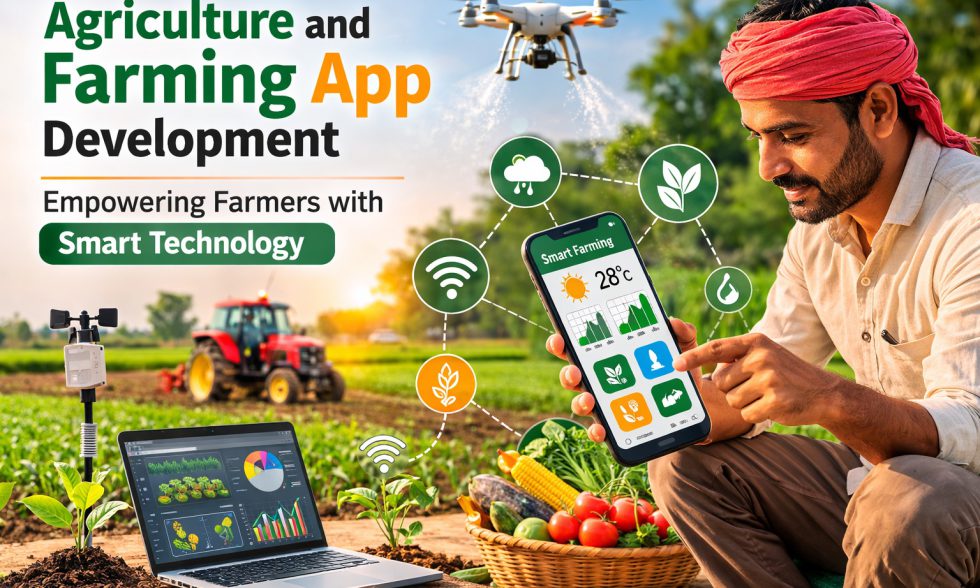
Mobile apps are no longer just tools for social networking or entertainment. They have become powerful platforms that help farmers monitor crops, predict weather conditions, manage irrigation systems, and even sell products directly to buyers. These applications act like a digital assistant for farmers, guiding them through every stage of crop cultivation—from soil preparation to harvesting and marketing.
In countries like India, agriculture remains a backbone of the economy. The sector contributes roughly 18% to the country’s GDP and employs around 65% of the workforce, making technological innovation in farming incredibly important. When farmers gain access to smart farming tools through mobile apps, they can increase productivity, reduce costs, and improve crop quality.
Businesses and startups are increasingly investing in agriculture technology solutions. Companies like Softsys Corporation (https://www.softsyscorporation.com/) are helping modernize farming by developing custom mobile and web applications designed specifically for agriculture. These digital solutions bridge the gap between traditional farming methods and the modern data-driven agricultural ecosystem.
Why Technology is Transforming Agriculture
Farming today faces several challenges: climate change, labor shortages, rising production costs, and fluctuating market prices. Technology helps address these challenges by bringing precision, automation, and data intelligence into agricultural operations.
Think of traditional farming like driving a car without a dashboard. Farmers had to rely on guesswork for weather conditions, soil fertility, and crop diseases. Modern farming apps change that completely. With the help of sensors, satellite data, and predictive analytics, farmers now receive accurate insights directly on their smartphones.
For example, mobile farming applications can alert farmers about upcoming rainfall, potential pest attacks, or optimal irrigation times. This allows them to take proactive actions rather than reacting after damage occurs. Research shows that mobile-based farming platforms can increase crop yields by 10–25% and reduce input costs by up to 20% through real-time decision support.
Technology is also making agriculture more sustainable. Smart irrigation systems powered by IoT sensors help conserve water by supplying it only when necessary. AI-driven analytics help farmers determine the exact amount of fertilizer needed, reducing environmental damage caused by overuse.
The shift toward digital agriculture is not just a trend—it’s becoming a necessity. Governments, startups, and agritech companies worldwide are investing heavily in agricultural technologies that empower farmers with information and automation tools.
Growth of Digital Farming Worldwide
The adoption of digital farming solutions has accelerated dramatically in recent years. Farmers across the globe are embracing mobile technology to improve productivity and profitability. This shift has led to rapid growth in the smart agriculture market.
According to industry reports, the global smart agriculture market is expected to grow from $23.2 billion in 2025 to over $72.1 billion by 2035, expanding at a compound annual growth rate (CAGR) of about 12%. This massive growth reflects the increasing reliance on advanced technologies like IoT sensors, satellite imaging, and AI-powered analytics.
The digital agriculture ecosystem also includes related technologies such as precision farming, farm management software, and agricultural drones. These tools provide farmers with data-driven insights that were impossible to obtain just a decade ago.
Another key driver behind this growth is the widespread availability of smartphones in rural areas. Farmers who previously lacked access to agricultural experts can now consult experts, watch training videos, and receive advisory services through mobile apps.
As digital connectivity continues to expand, agriculture apps will play an even more significant role in global food production. The combination of mobile technology and farming expertise is paving the way for a smarter and more resilient agricultural system.
Adoption of Mobile Apps by Farmers
One of the most encouraging trends in modern agriculture is the increasing use of mobile applications by farmers. These apps help farmers access essential information such as weather forecasts, crop advice, pest alerts, and market prices—all from a single platform.
Studies show that over 60% of farmers now use mobile apps regularly for agricultural information, including weather updates and crop advisory services. Additionally, experts estimate that more than 70% of Indian farmers will rely on digital platforms for crop management and market access by 2025.
The reason behind this rapid adoption is simple: farming apps make life easier. Imagine a farmer who wants to know the best time to irrigate crops. Instead of guessing or waiting for a local expert, they can open an app and receive real-time recommendations based on weather conditions and soil data.
These apps also help farmers find the best markets for selling their produce. Many platforms provide daily updates on mandi prices, helping farmers decide where and when to sell crops for maximum profit.
Mobile farming apps are gradually becoming an essential tool in the agricultural toolkit—just as important as tractors or irrigation systems.
Key Benefits of Agriculture and Farming Apps
Agriculture apps offer numerous benefits that significantly improve farm operations and productivity. By integrating data, automation, and analytics, these applications enable farmers to make smarter decisions.
The most obvious benefit is improved productivity. Farming apps provide real-time data about weather conditions, soil health, and crop growth. This information helps farmers plan their activities more efficiently. Instead of relying on outdated schedules, farmers can adapt their strategies based on current conditions.
Another major advantage is cost reduction. When farmers know exactly how much water, fertilizer, or pesticide to use, they avoid unnecessary expenses. Precision agriculture tools integrated into mobile apps ensure that resources are used efficiently.
Farming apps also improve market access. Many platforms allow farmers to connect directly with buyers, eliminating middlemen and increasing profits. Farmers can track commodity prices in different markets and choose the best selling opportunities.
The convenience of having all this information in a single mobile app cannot be overstated. From crop planning to financial management, agriculture apps simplify the complex process of farming.
Essential Features of a Farming App
Developing a successful agriculture app requires a combination of practical features tailored specifically for farmers. The goal is to create a platform that is simple, informative, and highly functional.
Some of the most important features include:
| Feature | Description |
|---|---|
| Weather Forecast | Provides real-time weather updates and rainfall predictions |
| Crop Advisory | Expert recommendations for crop care and management |
| Pest Detection | Alerts farmers about potential pest infestations |
| Market Prices | Displays daily agricultural commodity prices |
| Farm Management | Tracks crops, inventory, and farm operations |
Weather forecasting is perhaps the most critical feature. Farmers depend heavily on weather conditions for irrigation, harvesting, and pesticide spraying. Accurate forecasts help them avoid losses caused by unexpected storms or droughts.
Crop monitoring tools are another powerful feature. By integrating satellite data or IoT sensors, farming apps can track crop health and detect diseases early.
Market price updates allow farmers to make informed selling decisions. By knowing the current demand and price trends, farmers can maximize profits and reduce post-harvest losses.
Technologies Used in Agriculture App Development
Modern agriculture apps rely on a variety of advanced technologies to deliver accurate insights and automation capabilities.
Artificial Intelligence (AI) plays a major role in analyzing farm data and predicting crop outcomes. AI algorithms can examine weather patterns, soil conditions, and historical data to recommend the best farming practices. AI-powered advisory systems are even capable of improving farm productivity by 30–50% in certain cases.
The Internet of Things (IoT) is another key technology. IoT sensors installed in fields collect data on soil moisture, temperature, and nutrient levels. This data is transmitted to mobile apps, allowing farmers to monitor farm conditions remotely.
GPS and satellite technologies enable precision farming. Farmers can track field boundaries, monitor crop growth, and optimize irrigation patterns using geospatial data.
The integration of these technologies transforms agriculture apps into powerful digital platforms capable of revolutionizing farming practices.
Development Process for Agriculture Apps
Developing an agriculture app requires careful planning and a deep understanding of farmers’ needs. The development process typically involves several stages.
The first stage is requirement analysis. Developers must identify the problems farmers face and determine how the app can solve them. This stage often involves market research and consultations with agricultural experts.
Next comes UI/UX design. Since many farmers may not be highly tech-savvy, the app must be simple and intuitive. Clear icons, local language support, and easy navigation are essential for usability.
The development stage involves building the app using modern programming frameworks and integrating technologies such as AI, IoT, and cloud computing.
Finally, the app undergoes testing and deployment to ensure reliability and performance. Continuous updates and improvements are necessary to keep the platform relevant and effective.
Companies like Softsys Corporation specialize in building scalable and user-friendly agriculture applications tailored to the needs of farmers, agribusinesses, and government organizations.
Why Businesses Need Agriculture Apps
Agriculture apps are not just beneficial for farmers—they also create significant opportunities for businesses. Agritech startups, agricultural suppliers, and government agencies are using digital platforms to reach farmers more effectively.
Businesses can use agriculture apps to provide services such as:
Agricultural advisory
Seed and fertilizer sales
Equipment rentals
Crop insurance
Market linkage services
By connecting farmers directly with service providers, agriculture apps create a digital ecosystem that benefits the entire agricultural supply chain.
Choosing the Right Agriculture App Development Company
Selecting the right development partner is critical for building a successful agriculture app. A good development company should have expertise in both mobile technology and agricultural workflows.
Companies like Softsys Corporation provide end-to-end agriculture software development services including mobile app development, web platforms, IoT integration, and cloud-based farm management systems. Agriculture and Farming App Development
A professional development company ensures that the application is scalable, secure, and tailored to the real needs of farmers.
Future of Agriculture Technology
The future of agriculture is closely tied to digital innovation. Technologies such as AI, blockchain, robotics, and drone monitoring are expected to reshape the farming landscape.
In many regions, agricultural drones are already being used to monitor crops and spray fertilizers efficiently. Government programs and subsidies are encouraging farmers to adopt these technologies, leading to a rapid increase in drone usage across farming communities.
The integration of these technologies with mobile applications will create powerful digital ecosystems capable of managing entire agricultural operations.
Farming is evolving from a labor-intensive activity into a data-driven industry, where decisions are guided by real-time analytics and intelligent automation. Agriculture and Farming App Development
Conclusion
Agriculture and Farming App Development is revolutionizing the way farmers manage crops, resources, and markets. With the rapid growth of digital agriculture technologies, mobile applications are becoming essential tools for improving productivity, sustainability, and profitability in farming.
From weather forecasting and crop monitoring to AI-driven advisory systems, agriculture apps empower farmers with information that was once difficult to access. As the global demand for food continues to rise, digital farming solutions will play a critical role in ensuring efficient and sustainable agricultural production.
Companies like Softsys Corporation are helping lead this transformation by developing innovative agriculture applications that connect farmers with modern technology. By embracing digital solutions, the agricultural sector can overcome traditional challenges and move toward a smarter, more resilient future.